

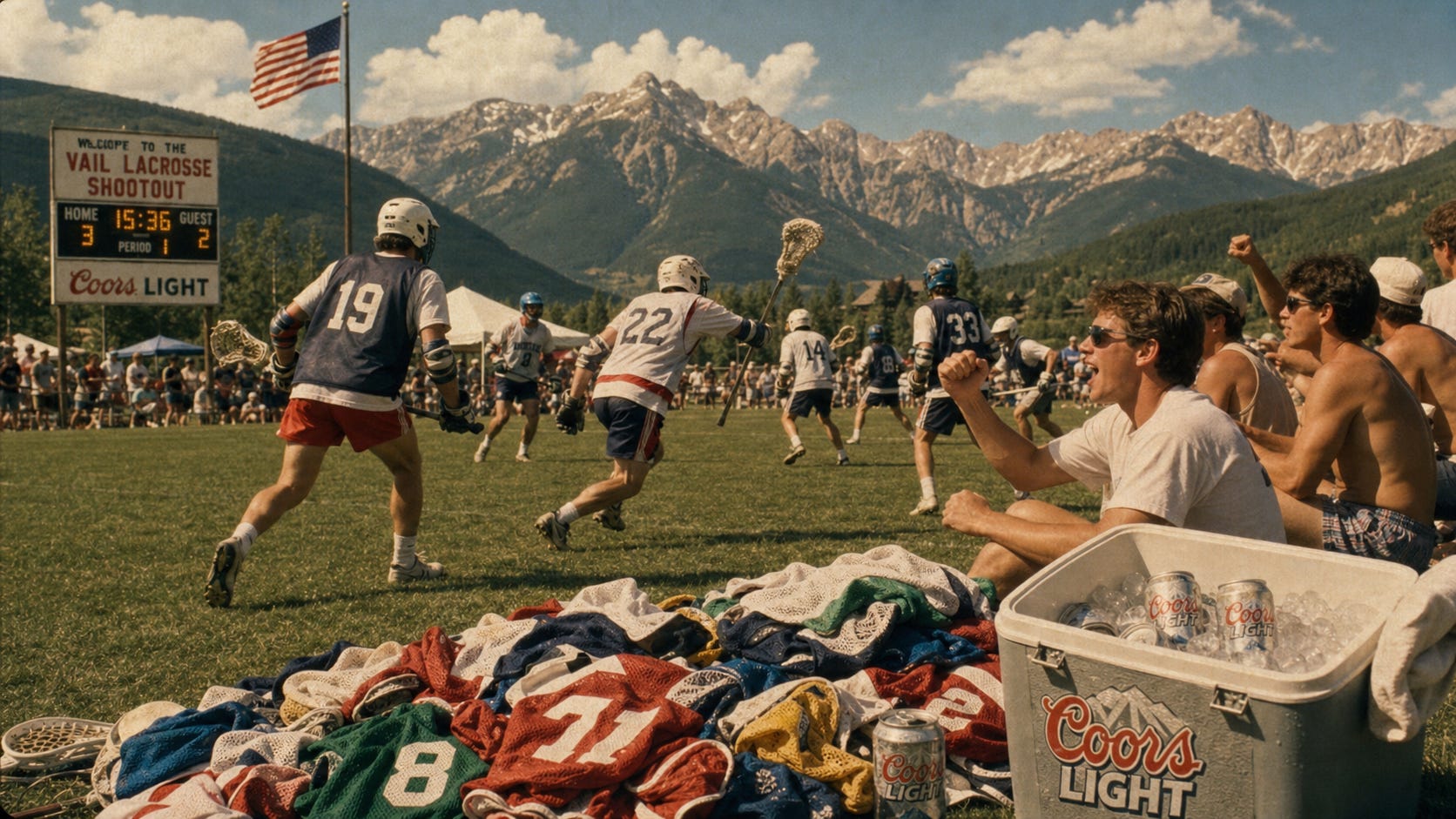
Most people spend the week of the 4th thinking about what they’re going to throw on the grill or where they’re going to watch the fireworks. Me? Every single year, without fail, my mind goes back to Vail, Colorado. Ford Field. Bridge Street. A pile of jerseys. The sound of a crowd that actually knew what they were watching.
If you played in the Vail Lacrosse Shootout in the late 80s or early 90s, you already know exactly what I’m talking about. You’re nodding. You might be smiling. You might be a little sad.
If you didn’t, buckle up, because I need to tell you about the greatest week in sports you’ve never heard of.
Vail Was the Center of the Lacrosse Universe
The Vail Lacrosse Shootout wasn’t just a tournament. It was a pilgrimage.
Every Fourth of July, the best players in the country: current college stars, alumni of all ages, all-star squads assembled from across every lacrosse pocket in America, descended on the Vail Valley. The fields stretched 13 miles from Vail to Avon to Edwards, and every single one of them was packed. The bars and Bridge Street were shoulder-to-shoulder every night with people who could talk lacrosse for hours and never get tired of it. As a kid, I idolized the players and collected jerseys from players on tournament-eliminated teams. When I finally got to take the field with and against my heroes: Kevin Plummer, Gary and Paul Gait, Dave Pietramala, Dave Morrow, and so many others. My personal on-field highlight was my first year playing for the hometown Vail team sponsored by The Club bar, and shutting down All-American attackman Kevin Lowe of MAB Paints in a first-round close upset. Later, I made the Team Colorado roster, and there was no better feeling than playing in Vail while wearing that uniform and the home-state support.
A friend of mine put it better than I ever could: “No NIL, no craziness, just love of the game, a bunch of Coors Lights, and playing with friends. The party after the game was just as important as the game. The brotherhood in the doing.”
That’s it. That’s the whole thing right there.
You came home sunburned, exhausted, sore, and carrying a stack of jerseys from teams you’d played against, parties you barely remembered, and friendships that somehow stuck. It was a privilege to play in that setting, in front of people who genuinely loved and respected the greatest game on earth. We knew it then. We feel it even more now.
Then the Pro Leagues Appeared, And Something Left.
I say this with full respect for what the Premier Lacrosse League and professional lacrosse have built, because they’ve built something real. ESPN deal. Olympic inclusion in 2028. The sport is in nearly 100 countries. These are legitimately great developments.
But here’s what happened to Vail.
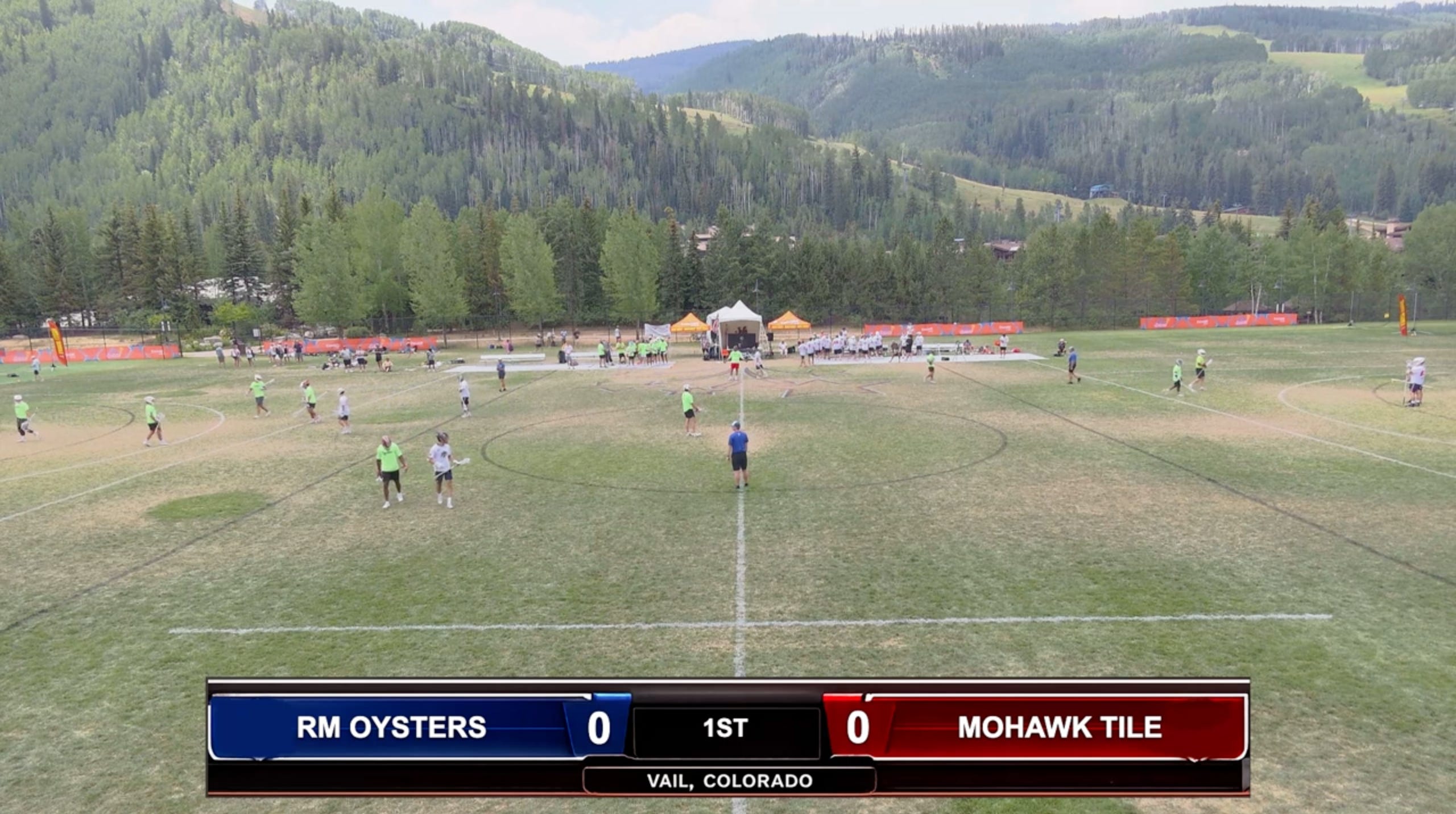
No people or excitement on the sidelines of the 2026 Elite Final game.
When professional lacrosse arrived, the best players in the country, the ones who used to show up every July because they wanted to, suddenly had contracts, schedules, and obligations. Their summers belonged to a league, not to a field in the mountains. The all-star teams stopped assembling. The electric mix of college stars and crusty alumni playing side by side thinned out. Bridge Street is still hopping, but the vibe has shifted to a more family-friendly, more subdued one, with the packed bars replaced by earlier bedtimes and younger crowds.
The tournament still happens. New generations of kids are trampling Ford Field down to dirt and dust, and that’s genuinely beautiful. But the version of Vail that lived in my bones? That was a specific, unrepeatable cultural moment, and professionalization quietly took it from us without anyone really noticing until it was already gone.
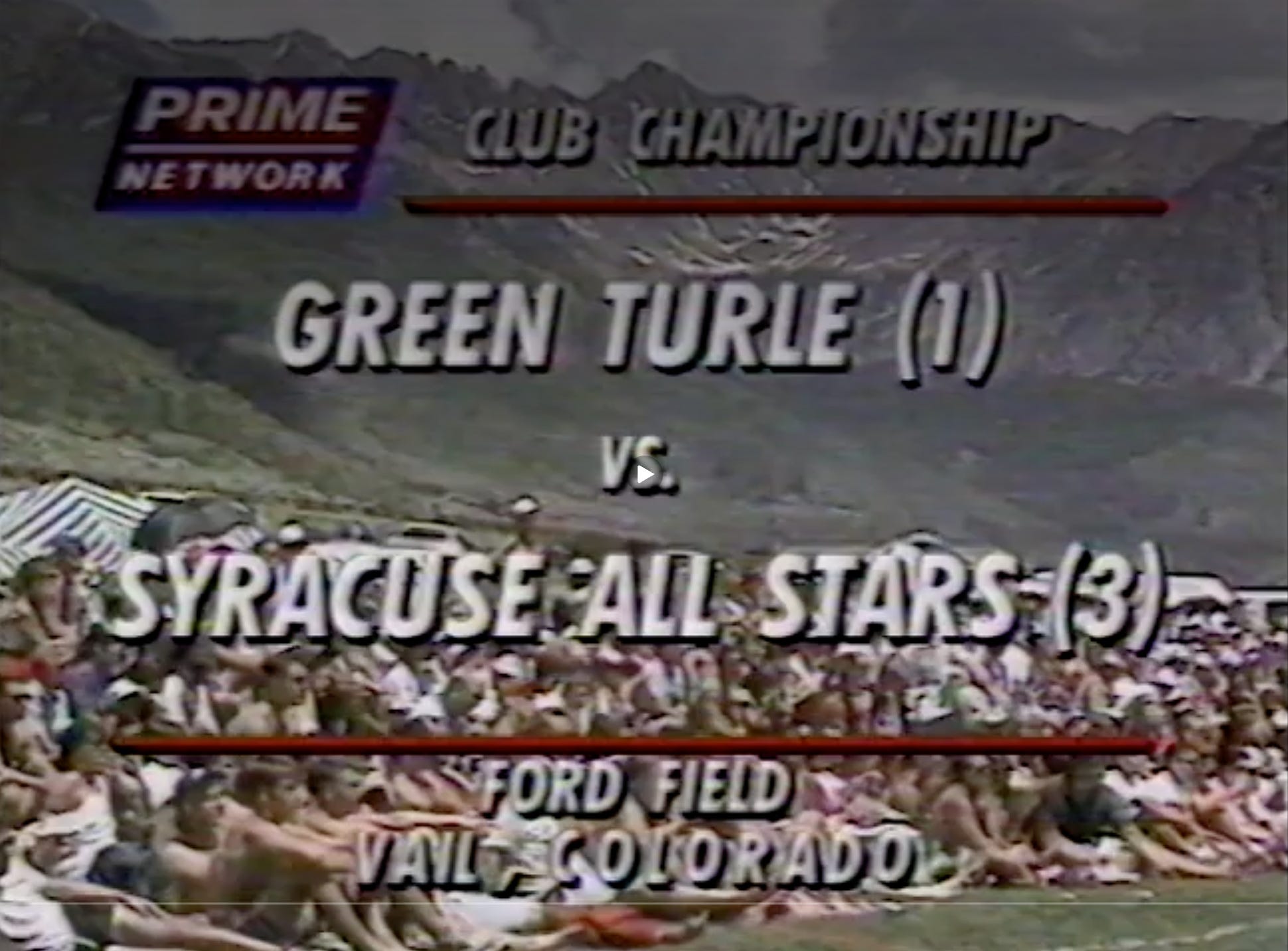
1990 Title Game
VS.
2026 Title Game
A Morning Run and a Missed Opportunity
I was running past the fields in Vail a few weeks ago during the youth Lacrosse Tournament: 120-plus teams, roughly 2,500 athletes, 4th through 12th grade, boys and girls. Play starts at first light, and the joy and cheers were echoing off the mountains.
It was hard not to smile, stop to reminisce, and soak it in.
There was a vendor area set up near the fields. I ran by for a closer look.
USA Lacrosse and the PLL are not there.
I’ll be honest, that stopped me in my tracks.
Look at who is standing on those sidelines. These are families at the very beginning of their lacrosse journey. First-time lacrosse parents trying to figure out what position their kid plays. Families two seasons in and already hooked. And this being Vail, there are more than a few CEOs, CMOs, and brand executives in that crowd; people who, on a Tuesday morning watching their kid play under the Rockies, are not thinking about quarterly results. They are emotionally open, completely bought in, and watching their child fall in love with something.
That is an extraordinary audience. And both organizations are absent from it.
USA Lacrosse needs members and advocates. The PLL needs fans who buy tickets and bring their kids back next year. With the 2028 Olympics approaching, both organizations are spending real money to grow the game, and yet they were skipping a venue with 2,500 young athletes and their families, all in peak lacrosse mode, in one of the highest-income zip codes in the country.
Both organizations will likely be at the Vail Lacrosse Shootout this week, and they should be. But that crowd already knows the game inside and out. The youth tournament is where the next generation of lacrosse families is being made. You don’t build a fanbase by only showing up where people already love you.
The Olympic Moment Is Bigger Than the Game
Lacrosse is going back to the Olympics in 2028, the first time as a medal sport in over a century. That is a massive, generational opportunity. Not just to put the sport on a global stage, but to finally tell a story that deserves to be told at scale.
The story of a game born from an Indigenous ceremony, played to heal and to honor. The story of scrappy regional cultures: Long Island, Baltimore, Syracuse, Denver, etc that kept this sport alive through sheer obsession. The story of an aging midfielder in Vail who has shown up every Fourth of July for 30 years because it’s the one week he feels most like himself.
That story doesn’t live in a press release. It lives on Bridge Street. It lives in a pile of jerseys. It lives in the “brotherhood in the doing.”
The question going into 2028 isn’t whether lacrosse can find a global audience. It’s about whether the people running the sport will be brave enough to market the people rather than the product.
Show me the athletes. Show me the families. Show me the 10-year-old girl who just made her first behind-the-back pass and doesn’t know yet that this sport is about to take over her entire life.
That’s the story. It’s always been the story.
Happy 4th, Lax People
Wherever you are this week - whether you’re grilling, watching fireworks, or sneaking away to throw around in the backyard; I hope part of your brain goes back to a field somewhere, some summer, when the game was pure, and the only thing that mattered was the next face-off.
Those of us who had Vail? We hit the jackpot.
Here’s to the brotherhood. Here’s to the pile of jerseys. And here’s to the greatest game on earth finally getting the moment it deserves.