

I have been thinking a lot about sports parenting this week.
Not the kind you see from the stands. Not the highlight-reel version of the Instagram posts I made during the event, where everyone is smiling, crushing their starts and swims, and the athlete is holding a ribbon at the end.
I mean the real version.
The early alarms. The pullout couches. The meal planning. The warm-up schedules. The recovery gear. The checking and rechecking of heat sheets. The drop-off, the time, the anticipation before the first race. The pride welling up into tears as you see them in “the zone” with headphones on, looking like Michael Phelps staring down the competition. The quiet moments before a race, when you are trying to look calm while your heart is doing something entirely different

A week at Nats in Ocala, Florida, with my son was good for the soul.
Somewhere between my early morning miles and his hotel-room recovery routine, I was reminded of something important about sports parenting.
Our job is not to carry the pressure for them.
It is to create enough calm around them so they can learn and grow to carry their own.
The Parent’s Race
Parents have their own version of competition week.
We feel the nerves before they do. We replay the possibilities. We look at the meet schedule one more time, even though we already know exactly when the session begins.
We worry about sleep, nutrition, hydration, recovery, traffic, lane assignments, goggles, suits, weather, and whether the athlete is really as relaxed as they say they are.
We want to help. Of course we do. And, many of us want to race!
But there is a fine line between being prepared and making the experience heavier than it needs to be.
The young athlete already knows what is at stake. They have put in the work. They have shown up for the early practices, the hard sets, the dryland sessions, the missed weekends with friends, and the long season that brought them to one week in Florida.
They do not need us to add another layer of anxiety.
They need stability. They need a wingman.
That does not mean indifference. It means being attentive without becoming overbearing. It means having the snacks packed, the ride ready, and the recovery tools available, then letting the athlete decide whether to read, rest, watch bad television, or sit quietly in the hotel room before a race.
Let Them Own It
My son’s morning routine was different from mine because it should be.
I needed a run to settle into the day. He needed stillness. Summer reading. Texting friends and social media silliness. Compression boots. Shoulder recovery. A little mindless TV.
His approach was not a lack of seriousness. It was his way of preparing.
That is one of the harder lessons in youth sports. Parents can confuse their own preferred routine with the athlete’s best routine.
The truth is that young athletes need room to discover what works for them.
They need to learn how to prepare when the stakes rise. They need to learn how to manage nerves, recover after a disappointing swim, and reset before the next opportunity.
Those are not just athletic skills. They are life skills.
The goal is not to create a perfect performance environment. The goal is to give them enough space and support to figure out how to perform when things are not perfect.
At a meet like Y Nats, everything can feel bigger and heavier.
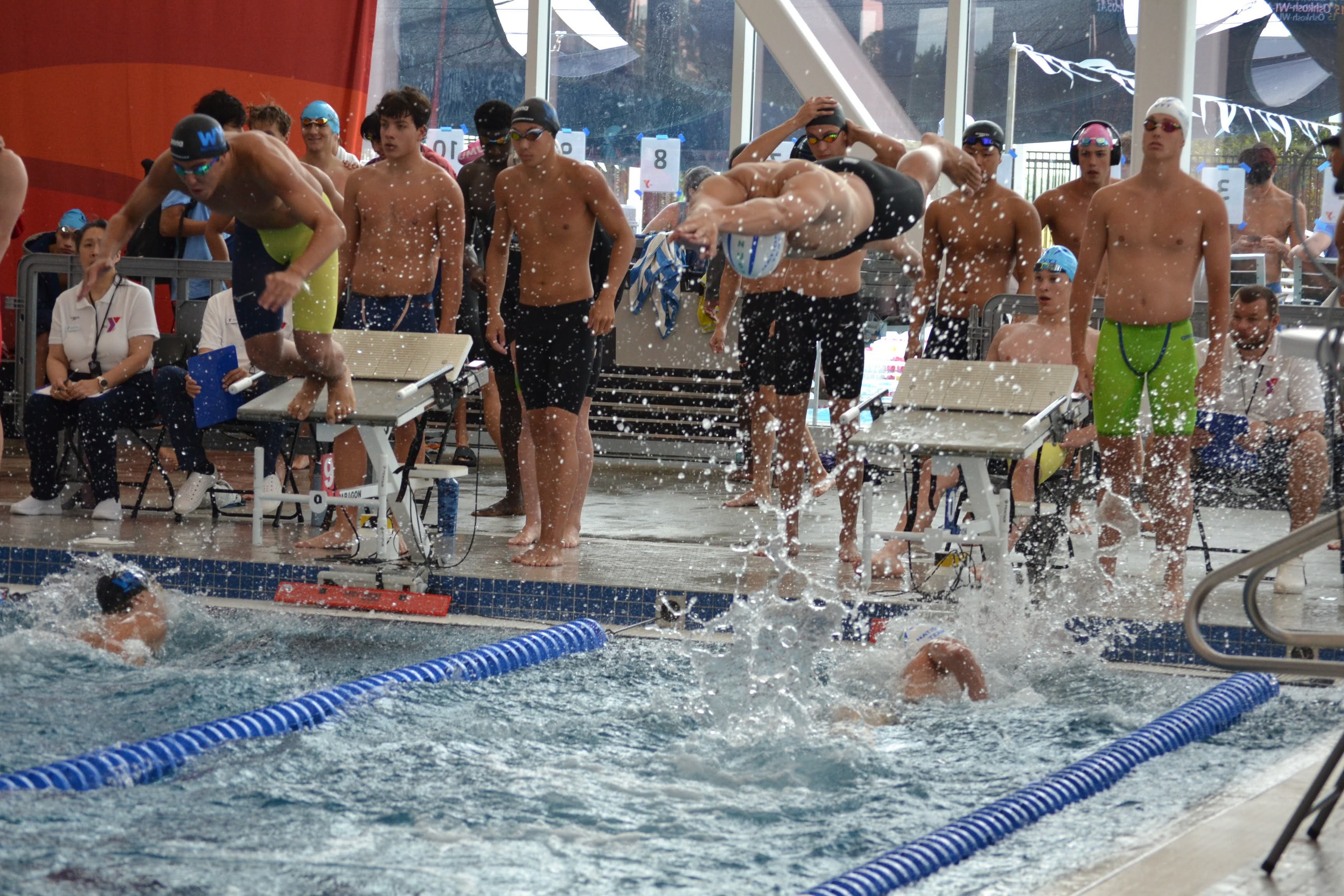
The pool deck is bigger. The arena is larger. College coaches are walking around in their school gear. There are more fans, and the cheering is louder. The competition is deeper. The margins are smaller.
A great swim can bring exhilaration. A missed goal can bring frustration.
Both are part of the experience.
The athlete who learns how to navigate those moments is building something more durable than a time on a scoreboard.
The Moments Between Races
The best parts of a trip like this are not always the races.
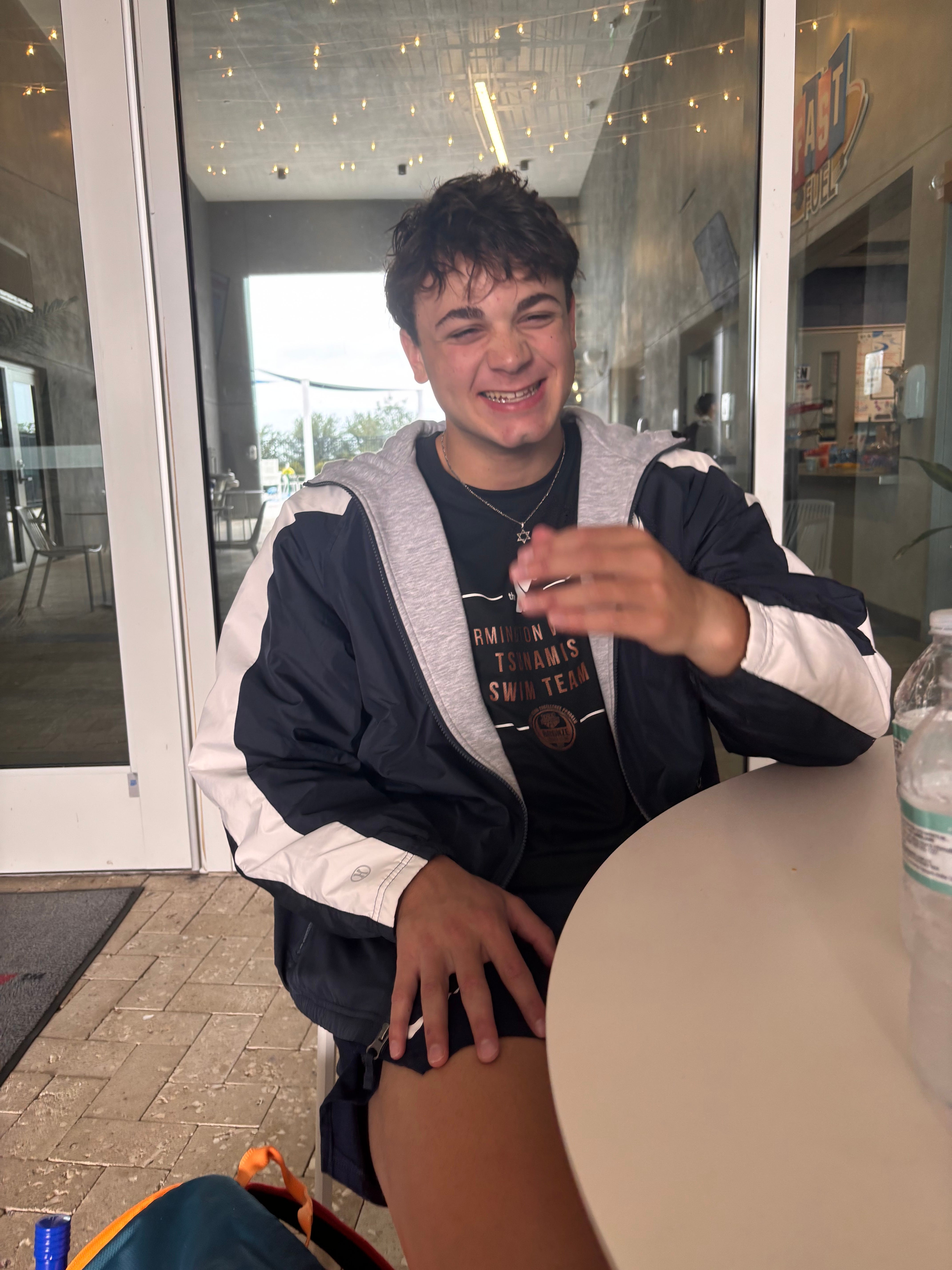
Sometimes it is the early quiet in a hotel room before the day begins. Sometimes it is the drive to the pool. Sometimes it is the post-race meal, when the conversation has nothing to do with a split, a place, or what comes next.
Those moments matter because time and youth sports move fast.
Seasons overlap. Training schedules fill up. Travel becomes routine. It is easy to let the calendar turn the whole experience into a transaction: effort in, result out.
But that is not why most of us got into this.
We want our kids to find something that challenges them. Something that teaches leadership, sportsmanship, competitiveness, and humility. Something that gives them friends, structure, confidence, resilience, and a relationship with hard work.
We want them to experience the satisfaction of doing something difficult well, as well as the humility of falling short and coming back for another try.
The podium, the time, the cut, and the ranking can all be meaningful.
But they are not the whole story.
The whole story is the shared experience: the early alarms, the hotel breakfasts, the forgotten snacks, the recovery gear spread across the room, the nervous energy, the proud moments, and the simple privilege of being there.
Good for the Soul
A week in Ocala reminded me that sports parenting is not about trying to make every moment perfect.
It is about being present.
Be prepared, but do not project your anxiety.
Offer support, but do not take ownership of the performance.
Celebrate the work, the teammates, the experience, and not just the outcome.

And remember that, eventually, they will not remember every heat, every split, or every place. They may remember the hotel room, the terrible television, the smoothies, the early morning quiet, and the fact that you were there.
That is good for the soul.

