

A lot of the conversation around artificial intelligence feels obsessed with catching people using it. In some places, that makes sense. In education, in publishing, anywhere originality and honesty matter, there should be standards. There should be accountability. There should be a line between doing the work and outsourcing the thinking.
But all AI use is not the same.
Some people use it because they have no original thoughts of their own and want to repurpose other people’s work until it looks like theirs. That is not creativity. That is not insight. That is substitution (and stealing), and it deserves to be called out for what it is. The same goes for using automation to flood feeds and market communications with volume over value, churning out endless posts, summaries, and hot takes designed to make someone look smarter or more authoritative in a particular industry than they really are.
I was having a conversation with a tech executive recently who sees another side of this problem in the hiring process. Kids right out of college are applying for engineering jobs with huge salaries, but they cannot actually write code without AI doing the heavy lifting. They do not have the technical foundation; they cannot explain what they built, and they often return code with major security risks baked in. That kind of dependence on AI, without real problem-solving ability or practical know-how, is becoming more common. What worries me is that our system is not teaching enough students the proper foundation. AI should be a resource, not the definitive source of the work and output.
But there is another kind of AI use that is very different. For some of us, it is not a shortcut around thought. It is a bridge to thought. A way to get past the friction that keeps ideas trapped in your head, especially when the wiring is not always cooperative. Mild ADHD. Dyslexia. The familiar gap between knowing what you want to say and getting it cleanly onto the page. AI, used well, can help close that gap.
That is the part people miss.
The real unlock is not simply speed. It is not productivity for productivity’s sake. It is reclaimed time. Time to think more deliberately. Time to slow down instead of rushing through the mess. Time to be more intentional with the process and thought instead of getting stuck inside it.
That has changed the way I work. It has changed the way I write. It has changed the way I think.
And in a way, it has changed how I parent.
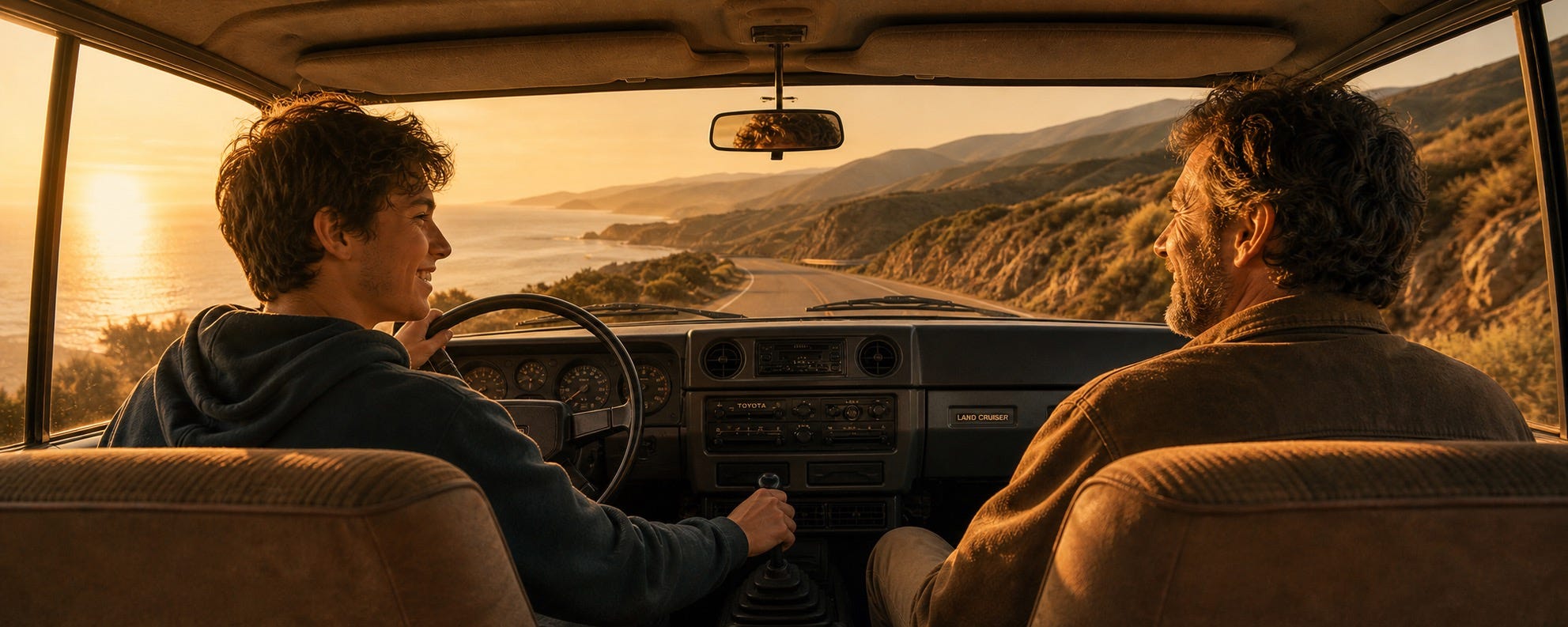
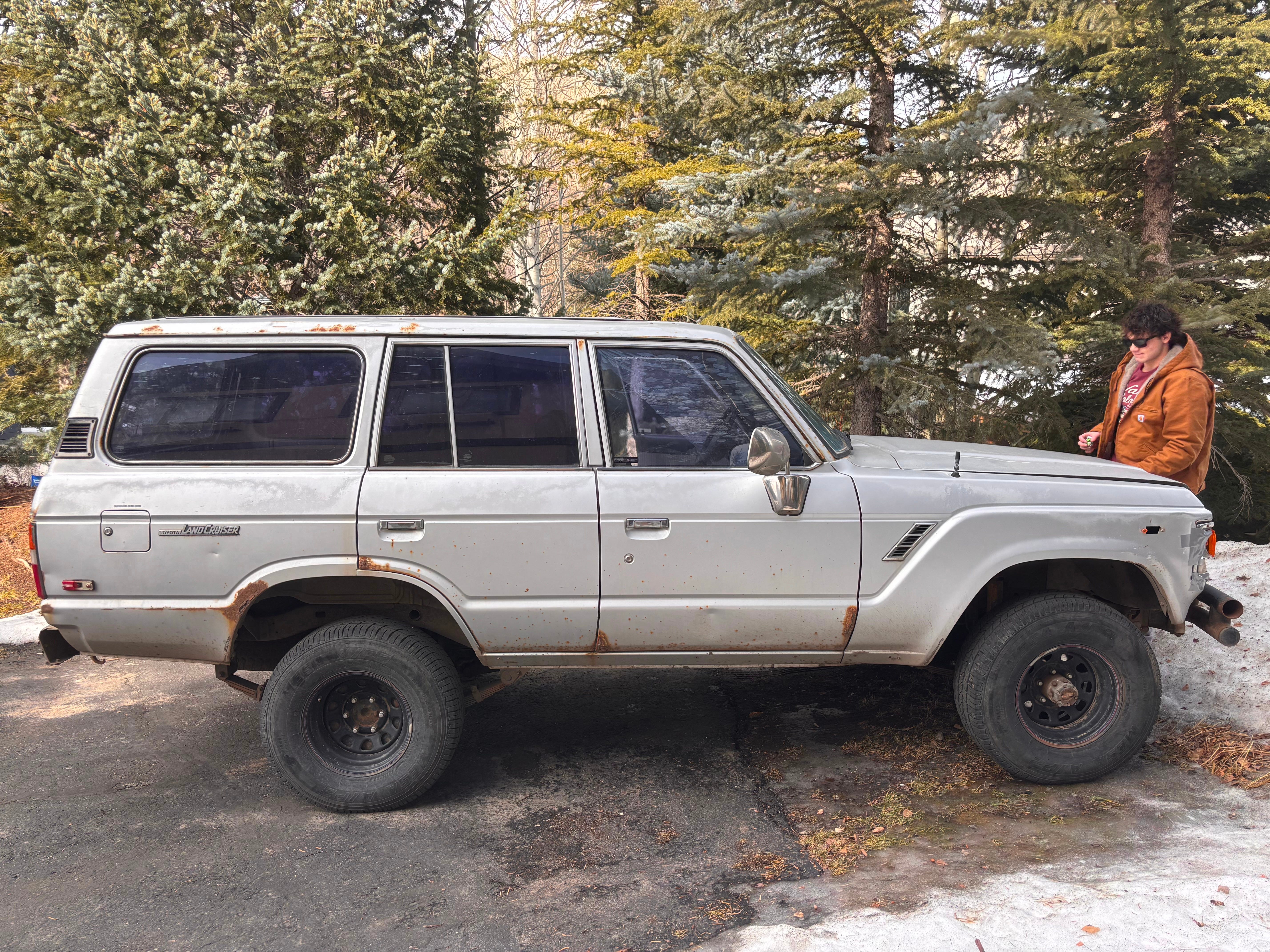
My son and I have found ourselves enjoying something old and mechanical again: driving a manual “four-on-the-floor” car. No automation. No noise (well, to be honest, “Swamp Thing” is one loud automobile). No hurry. Just the road, the music, the conversation, and the simple pleasure of staying engaged with what is happening right in front of us. We joke about people “camping” in the left lane as we pass on the right, but there is something real in that. It is about resisting the constant pull to accelerate everything to get to the next.
That has started to show up elsewhere too.
I see it in the way he studies. I see it in how he approaches swim training, stroke technique, and race preparation. There is more care there now. More intention. Less drift.
Of course, it is not perfect. He is a 17-year-old boy living in a world packed with distractions, media, and noise. And I am a type A athlete who still wants the next rep, the next milestone, the next finish line. We are both still learning how to slow down enough to see what is actually in front of us.
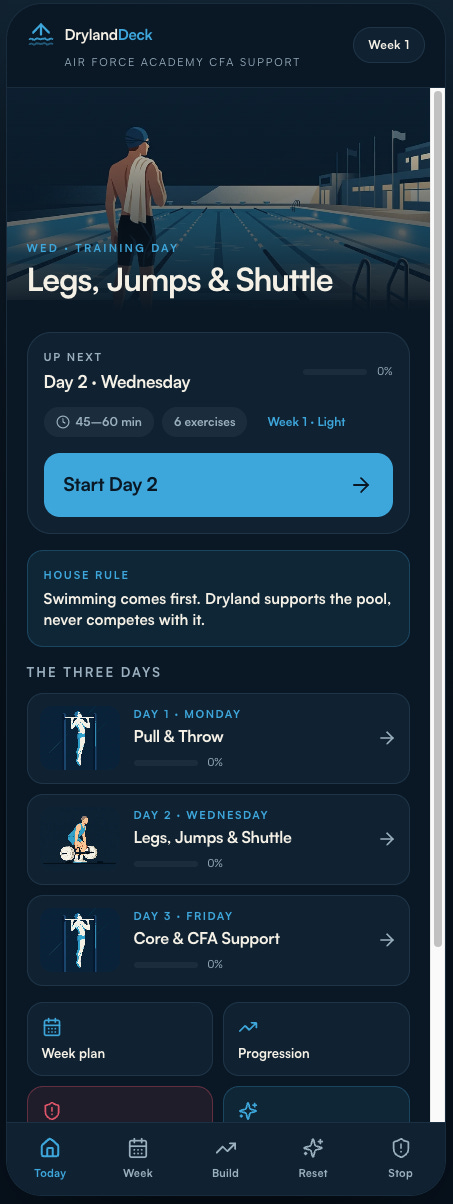
This summer, after his swim season ended and he shifted into training on his own for the school year and the Air Force Academy CFA, I built him a simple web app to manage swim, dryland, and test prep. I used AI, and in a short time I had something practical that helps keep him on track without me having to write it all out on paper or monitor the workouts. That saves time, reduces the stress of figuring it all out manually, and gives us more room to spend our energy where it matters most: working out, staying focused, and being more deliberate and intentional about the moment.
It is a small example, but to me it says a lot. AI is not the point. What it gives back to us is the point. If it helps remove friction, create clarity, and free up time for actual work, actual thinking, and actual presence, then it is doing something valuable.
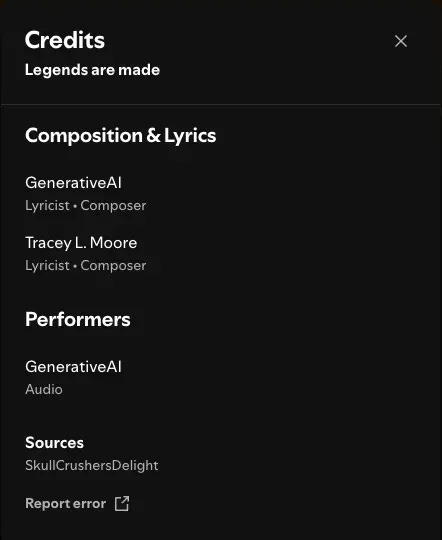
The younger generation may actually be better at detecting AI than the rest of us, and that filter will get more interesting as AI becomes harder to spot. I saw that firsthand recently. I was digging through music for a project and came across an artist named Tracey Moore with a song called “Legends Are Made.” It had a fun feel to it, catchy music, lyrics that worked. I played it for my son while we were driving, and within a minute he said, “That’s AI.”
I asked if he had heard it before. He hadn’t. He just knew.
So I had him look it up, and sure enough, it was 100 percent AI.
I was floored. And honestly, impressed. I asked him how he knew, and he just shrugged and said, “I just did.”
That moment stuck with me. Innate AI detection was not something I had really considered before. But now I am fascinated by it. As AI gets better and less obviously machine-made, that human instinct may become even more valuable. Not because it will be perfect. Not because it will always be right. But because it may tell us something important about authenticity, pattern, lived experiences, and feel.
That is why I do not see this technology as a simple moral binary.
Not all technology is good. Not all of it is bad. Most of it depends on how it is used, and by whom, and for what purpose. When AI is used to deceive, manipulate, or fake something that should have been earned, that is a problem. When it is used as an unlock, a way to overcome roadblocks, sharpen focus, and help someone become more fully themselves, that is something else entirely.
That has been my experience.
AI has not made me less thoughtful. It has made me more deliberate. It has helped me slow down, clear the static, and spend more time on what matters. And that reclaimed space has had a ripple effect: in my work, my writing, my parenting, and the way I move through the world.
The real question is not whether AI is used.
The real question is whether it is used to avoid thought or to unlock it.